
Generic online program
- Predetermined in advance
- The same plan used by many people
- Little or no feedback
- No meaningful adjustment as you go
- You largely manage yourself
Online fitness coaching
Online fitness coaching can give you personalised training, nutrition guidance, accountability and ongoing support without needing to meet a trainer at the same place and time every week. That does not automatically make it the right option for everyone.
This guide explains how online coaching actually works, where it can outperform traditional personal training, where face-to-face coaching may still be better, and what to look for before choosing an online coach.
Already know online coaching is right for you? Request a Free Coaching Consult

Online fitness coaching is a remote coaching service where a qualified coach builds and manages your training, nutrition and lifestyle strategy without requiring you to meet face-to-face for every workout.
Instead of paying primarily for the hour you spend with a trainer, online coaching focuses on the broader process: what you train, how you progress, how you eat, what happens between workouts, how consistently you follow the plan, and what needs to change when progress stalls.
Delivery can include personalised training programs, nutrition guidance, goal setting, progress tracking, weekly check-ins, coach messaging, exercise video review, program adjustments, and habit or lifestyle guidance. Not every online coach provides all of these. Online coaching is a delivery method. It is not a guarantee of quality.
A generic online program tells a large group of people what to do. Coaching is a relationship that checks whether that plan is working for you and changes it when it is not.
A PDF tells you what to do. Coaching helps determine whether it's working and what to change when it isn't.
Downloadable programs can still be useful. They are a product for people who want a plan and are happy to run it themselves. They simply serve a different purpose from coaching.
These are the practical advantages when the coaching is actually personal, reviewed, and built around the week you have.
A traditional personal training model often centres on the booked session. Online coaching can cover the rest of the week as well: training across your available days, nutrition, daily activity, recovery, consistency, and the decisions you make outside the gym.
The workout might take an hour. The decisions affecting your results happen across the rest of the week.
You can train before work, after work, on a lunch break, around shift work, travel, or family commitments. The coach provides the structure. You and the coach do not have to be free at the same hour for every session.
That matters for busy professionals, parents, shift workers, and people whose week changes. Flexibility still has limits. A good program can include specific session types and recovery days. "Train whenever" is not the same as "ignore the plan."
Face-to-face training mostly limits you to coaches you can physically get to. Online coaching lets you choose on qualifications, specialisation, coaching style, experience, results, and whether you actually get on with the person.
The Performance Coach is based in Adelaide and coaches clients throughout Australia online. Location stops being the main filter.
A proper online plan should account for your goal, training history, injuries and limitations within the coach's scope, equipment, time, exercise preferences, work, recovery, sport, and experience. Online does not mean automated. A real person should still write and adjust the plan.
Online is where the coaching is delivered. It shouldn't describe how personal the coaching feels.
Over weeks, a coach can look at training performance, weights and reps, body weight trends, measurements, adherence, nutrition, steps, hunger, energy, recovery, and what you report in check-ins. That history is often more useful than watching a single workout.
More tracking is not automatically better. The data should help a decision. If a metric does not change the plan, it is busywork.
Effective online coaching has a structured review, not a hope that you will message when things slip. At The Performance Coach, that review is a weekly check-in. The point is not to police you. It is to see what went well, what did not, what got in the way, what the trend is, and what should change next.
Where the coach is qualified to do it, online coaching can hold training and nutrition in the same plan: calories and macros, meals, fuelling, protein, habits, and the weekly review. That reduces the gap where a trainer says one thing, a generic diet says another, and you are left joining the two.
A fitness qualification covers training. Nutrition coaching needs an appropriate nutrition qualification. Many personal trainers are excellent coaches and are not qualified to prescribe nutrition. Sports nutrition at TPC is coaching guidance, not medical dietetics.
Neither is automatically better. The better option depends on what type of support you need.
Online coaching is usually stronger for flexibility, ongoing programming, and support across the week. In-person personal training is stronger when you want someone physically supervising the session. A good trainer and a good online coach can both be the right spend. They solve different problems.
| Area | Online coaching | In-person personal training |
|---|---|---|
| Scheduling | Train when it suits your program and schedule. | Sessions occur at booked times. |
| Hands-on technique support | Video feedback and coaching cues. | Immediate in-person observation and correction. |
| Weekly lifestyle support | Can include training, nutrition, habits, and a weekly progress review. | Depends heavily on the individual trainer and service model. |
| Geography | The coach can be located anywhere. | The trainer generally needs to be accessible locally. |
| Accountability | Structured check-ins and ongoing tracking. | A physical appointment creates strong session accountability. |
| Exercise supervision | You generally train independently. | The trainer supervises sessions directly. |
| Program flexibility | The program can be adjusted remotely around your schedule and equipment. | Often structured around booked sessions, although a quality PT may also provide extra programming. |
| Suitable for | Independent trainees who want strategy, structure, and accountability. | People who want direct physical supervision and appointment-based training. |
Online coaching is not the best solution for every person. Face-to-face training is the better choice in several ordinary situations.
If you have never trained and you are uncomfortable performing movements on your own, some supervised sessions can help you learn the room, the equipment, and basic positions before you train independently.
Some people train because another person is physically waiting for them. A weekly form will not replace that. If the appointment is what gets you through the door, keep the appointment.
Video review is useful. It is not the same as a coach standing where they can see the set from more than one angle and correct it immediately. Some lifts and some people need that.
A trainer or online coach should not replace physiotherapy, medical treatment, clinical exercise physiology, or dietetics when those services are what you need. Coaching can work around cleared limitations. It does not diagnose or treat them.
Preferring to train with someone in the room is a legitimate reason to choose a personal trainer. You do not have to justify it with a performance argument.
TPC primarily coaches online, but active coaching clients in Adelaide can also access optional in-person technique and PT sessions where hands-on support would add value. Those sessions are an add-on at Blackbird Fitness in Port Adelaide, not a replacement for the online plan. See the coaching options for how that add-on sits alongside online coaching.
Online coaching tends to suit people who can complete their own sessions and want better decisions around those sessions.
Strong candidates are people who can train independently and still want direction: what to do, why they are doing it, whether it is working, and what changes next. They have often trained before and stopped progressing. They want accountability outside the gym, a busy or changing week, help with training and nutrition together, or a specific goal such as fat loss, muscle gain, strength, body composition, HYROX or hybrid performance, running, or sport.
It also suits people who want a coach for their expertise rather than their postcode, and people who want structure without fitness owning the calendar. If you need a person beside the bar for every set, this is probably the wrong model.
A good coach can give you a better plan, clearer direction, accountability, and expert feedback. They still can't do the work for you.
Coaching cannot complete your sessions, guarantee a result, control every food choice, manufacture motivation all day, replace consistency, treat medical conditions outside scope, or remove every setback. Life will still interrupt the plan. The useful part is having someone adjust it when that happens.
The coach owns the process. The client still owns the actions.
Use this as a checklist. If a coach cannot explain these clearly, keep looking.
Qualifications should match the service. Training coaching needs a training qualification. Nutrition coaching needs an appropriate nutrition qualification. A large social following is not a qualification.
Before the plan exists, the coach should understand your goal, history, schedule, equipment, preferences, and limitations.
You should be able to see that the plan was built for your week and equipment. Handing everyone the same template and changing the name is not coaching.
You should know how often progress is reviewed, what information is reviewed, and how adjustments are made.
Ask how you will contact the coach and what response time to expect. Clear access is useful. Unlimited 24/7 access is rarely how good coaching is delivered, and it is a promise worth questioning.
The plan should change when the evidence says it needs to change: performance, adherence, recovery, schedule, or a goal that has shifted.
Look for testimonials, case studies, measurable outcomes, and reviews you can actually read. TPC client stories name the outcome and the coach. Treat anonymous before-and-after claims with caution.
A trustworthy coach should be comfortable saying, "That's outside my scope." That includes medical treatment, clinical nutrition, and injuries that need another profession.
One warning sign is a reason to ask a question. Several together are a reason to walk away.
Larger coaching businesses often have more than one coach. That is legitimate. You should still know the name of the person writing your plan, their experience, and their qualifications. A brand is not a coach.
After a free consult, coaching follows a simple loop: understand the person, build the plan, follow it, review the week, and adjust.
Onboarding covers goals, training history, lifestyle, schedule, equipment, nutrition, preferences, and what has got in the way before.
Depending on the service, that can include personalised training, nutrition targets, meal planning, and habit or routine strategy.
Training, nutrition, and check-ins live in the Performance Coach app so the plan and your progress sit in one place.
Your coach reviews progress, adherence, training, nutrition, feedback, and whatever made the week harder than expected.
Changes come from that feedback and from what the numbers and the week actually showed. Support is structured around the check-in, not constant on-demand access.
The Performance Coach was founded and is led by Phil Janicki, with coaching also delivered by Performance Coaches Shanai Hart and Craig Simon.
Phil leads the coaching methodology and standards. Clients can be matched to the coach whose work fits the goal. If you are unsure, select No Preference on the consult form and we will help match you.
Sports nutrition, hybrid and HYROX performance, athlete performance, and body composition.
View Phil's profile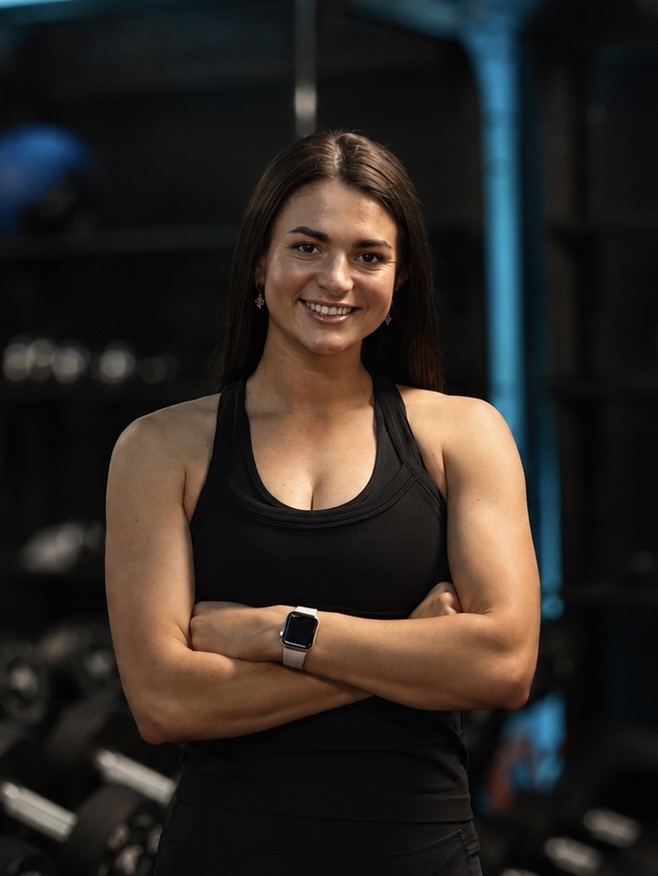
Sustainable fat loss, lifestyle fitness, habits, and general fitness.
View Shanai's profile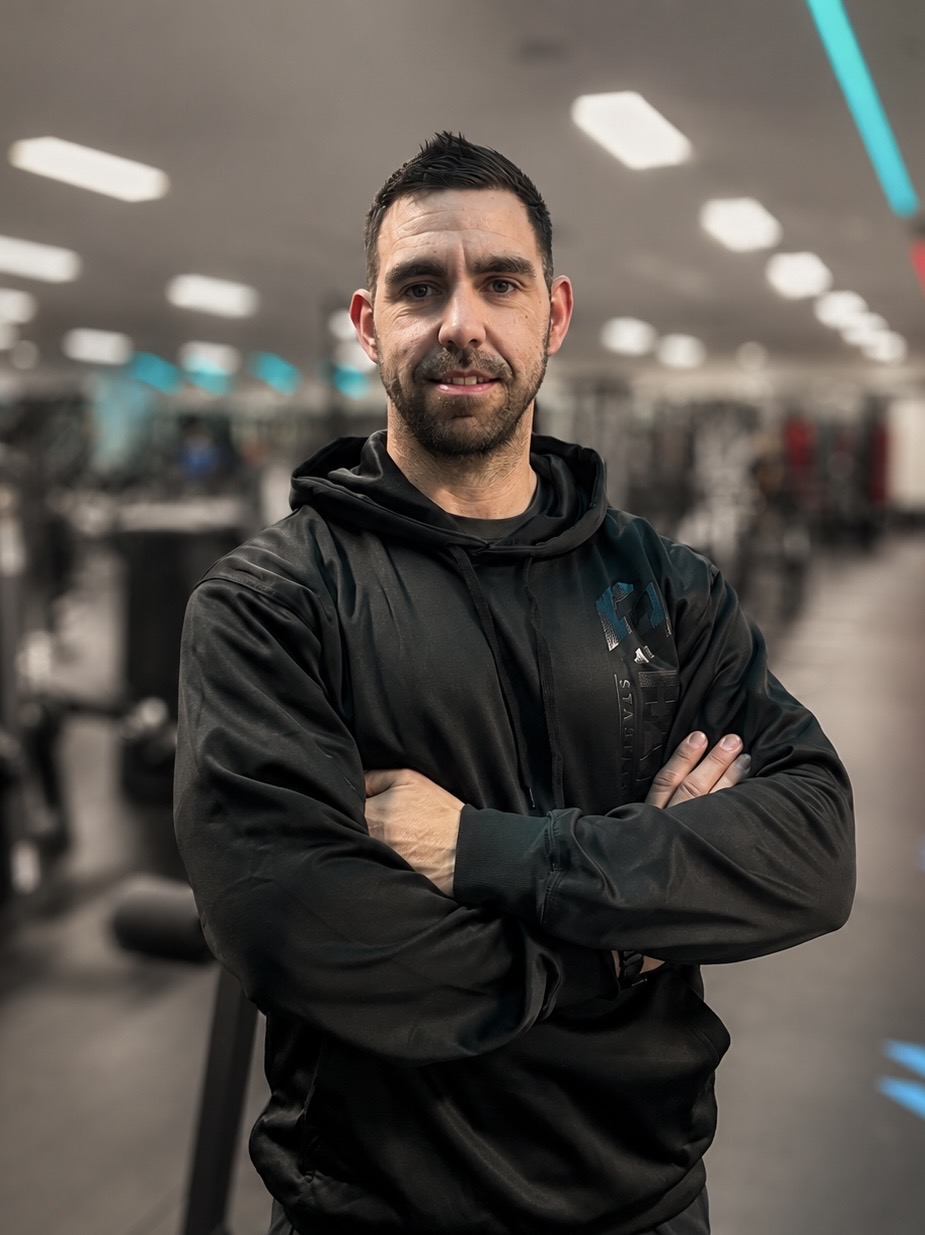
Strength, muscle gain, body composition, and powerlifting.
View Craig's profileOnline coaching can work extremely well when the program is appropriate, the coaching relationship is strong, and the client consistently follows the process.
It does not work automatically, and it does not work the same way for every person. The stories below are clients coached by Phil Janicki. Individual results vary with starting point, adherence, training history, and the rest of life. More stories are on the results page.
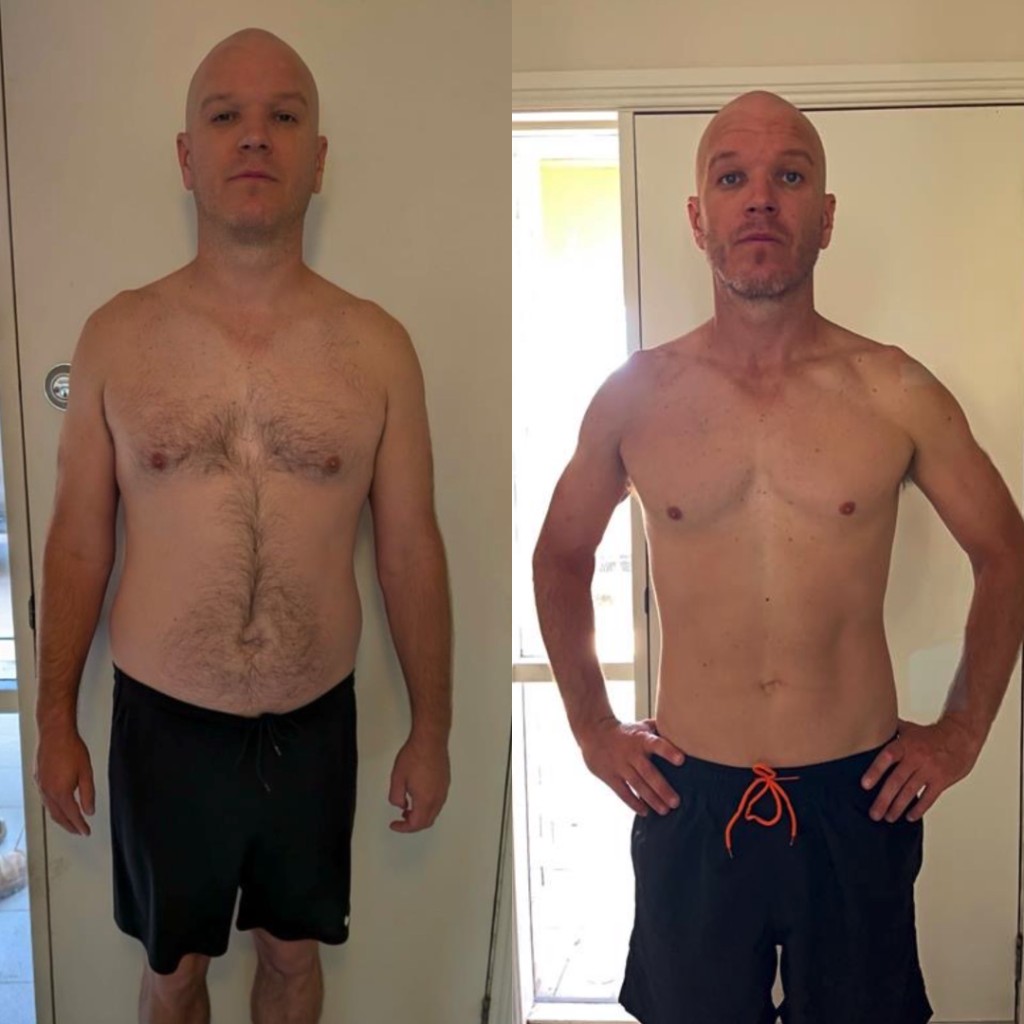
15 kg fat loss and stronger than when he started
Started at 93 kg. Coach: Phil Janicki.
Read client story"I've dropped 15kg but I'm stronger now than when I started."
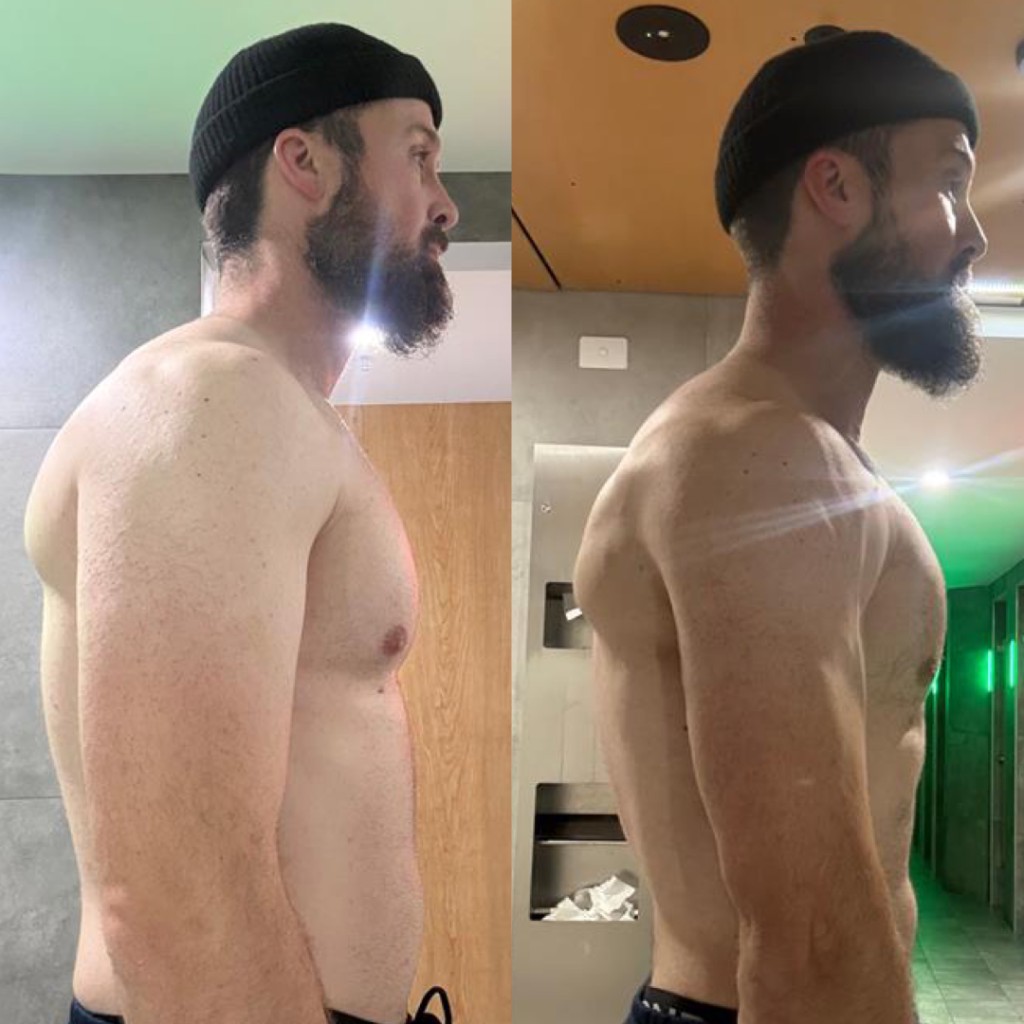
4.5 kg down in 8 weeks
Body composition. Coach: Phil Janicki.
Read client story"I'm down 4.5kg in 8 weeks and excited to keep building from here."
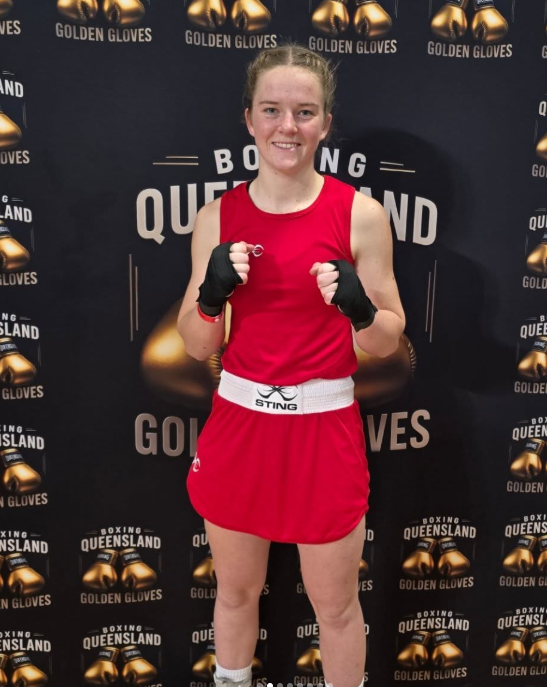
Clearer weight cuts and better camp performance
State-level boxing. Coach: Phil Janicki. No kilogram change has been published for this result.
Read client story"I stayed fuelled, avoided binge cycles, and performed better."
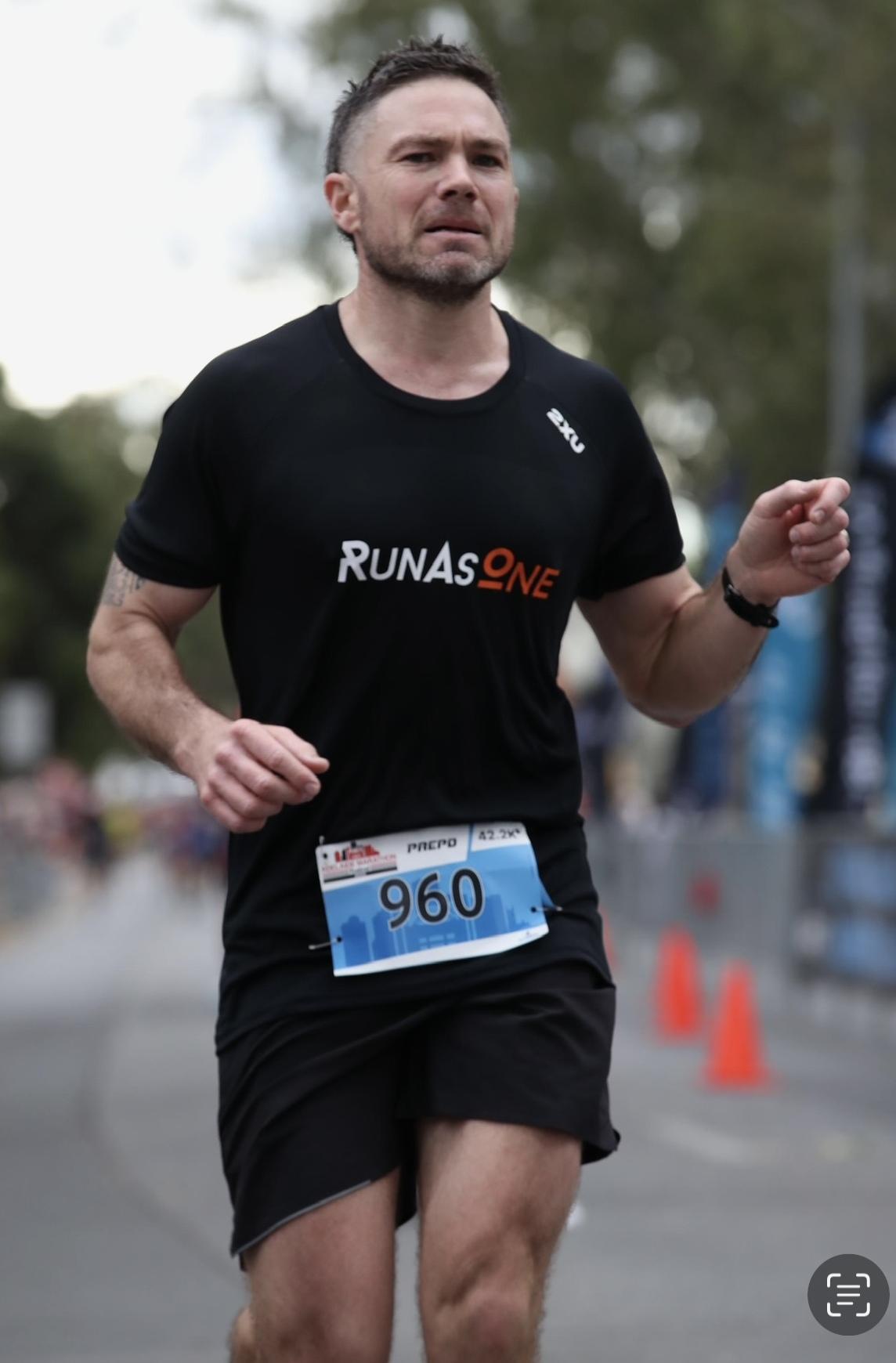
Clearer training and race-day fuelling
Sports nutrition. Coach: Phil Janicki. No race time or weight change has been published.
Read client story"I used to guess my nutrition and crash halfway through long runs."
Price varies with the coach's experience, how personal the plan is, whether nutrition is included, how you communicate, how often progress is reviewed, and whether the service is specialist.
Compare what is actually included rather than comparing the headline weekly fee alone. A workout-app subscription, a one-off program, and full personalised coaching are different products. The cheaper weekly number can be the expensive option if nobody reviews your progress.
At The Performance Coach, current online coaching prices are:
Plans have a 12-week minimum commitment. Package detail, including what each option includes, is on the coaching options section of the homepage. Bodybuilding prep stays at the standard rate of $99 per week. The spring rate applies to Complete Online Coaching.
For the right person, yes.
Online coaching tends to provide the most value when you are capable of completing your own workouts but need expert direction, a plan built around you, nutrition support, accountability, and someone to adjust the process as your circumstances and progress change.
If what you primarily need is someone standing beside you during every session, face-to-face personal training may be the better investment.
The important question isn't whether online coaching is universally better. It's which model gives you the support you actually need.
Online fitness coaching is a remote service where a coach builds and manages your training, nutrition and lifestyle strategy without meeting you face-to-face for every workout. The quality depends on the coach, the process and whether you follow it.
Online fitness coaching can be effective when the plan fits your life, progress is reviewed, and you complete the work. It is a delivery method, not a guarantee of results.
Neither is automatically better. Online coaching is usually stronger for flexibility, ongoing programming and lifestyle support, while in-person personal training is stronger when you want someone supervising each session.
It can be worth the money if you need a personalised plan, nutrition support and weekly accountability, and you will train on your own. Compare what is included, not only the weekly fee.
Some beginners do well with online coaching if they can follow clear instructions in a gym. Complete beginners who are uncomfortable using equipment on their own are often better starting with some supervised sessions.
You do not always need a full gym. A good coach should program around the equipment you can actually use, including a home setup, which may limit some exercise choices.
An online coach can review technique from videos you send and give cues to change. That is different from a trainer watching you in the room and correcting the set as it happens.
It depends on the service and the coach's qualifications. At The Performance Coach, nutrition coaching is available as its own service or alongside training in Complete Online Coaching, within coaching scope rather than medical dietetics.
A clear rhythm matters more than constant access. The Performance Coach reviews progress at weekly check-ins and adjusts from that, rather than offering unlimited on-demand messaging.
Yes. The Performance Coach is based in Adelaide and coaches clients online across Australia. Optional in-person sessions are available for active coaching clients in Adelaide where they add value.
Choose a coach whose qualifications match the service, who assesses you before writing the plan, explains the check-in process, and can show real client outcomes. You should also know which person will actually coach you.
Online coaching is a poor fit if you need someone physically present to train at all, if you want every session supervised, or if you need clinical care that sits outside a coach's scope.
That's exactly what the free consult is for.
Tell us what you're trying to achieve, what you've tried before, and what sort of support you're looking for. We'll talk through whether TPC online coaching makes sense for you, and if it doesn't, we'll tell you.
Request a Free Coaching ConsultNo obligation. Just a conversation about your goals and whether we're the right fit.